
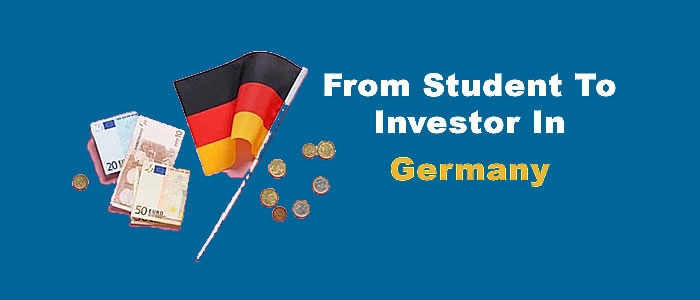
Studying in Germany is about so much more than just getting a top-notch education. For countless international students, including many from Nigeria and beyond, it’s a chance to pave the way for a solid financial future. With a stable economy, well-regulated financial markets, affordable investment options, and part-time job opportunities, students can cultivate healthy financial habits that will serve them well long after they toss their graduation caps in the air.
It’s completely understandable that many students prioritize finding tuition-free education, securing housing, adapting to a new culture, and managing daily expenses. The ideas of investing, planning for retirement, and building wealth might feel like far-off dreams. Yet, one of the most important financial lessons is that wealth is typically built over time through consistent saving, disciplined investing, and making informed choices—not by simply waiting for a big pay check.
Germany’s financial landscape allows newcomers to dip their toes into investing with relatively small amounts. With low-cost investment options like ETF savings plans (Spar plane), digital investment platforms, and diversified portfolios, getting started has never been easier. When paired with smart financial planning, these tools can help set the stage for long-term financial independence.
This guide is tailored for students who might not have much investing experience. Whether you’re a Nigerian student working towards a master’s degree, a recent grad stepping into your first job, or another international student mapping out your financial future, this article will walk you through the journey from student to investor in Germany. You’ll discover practical strategies for budgeting, saving, understanding investment choices, steering clear of common pitfalls, and developing the savvy money habits that will support your wealth-building journey for years to come.
Why Germany Is an Excellent Place to Start Investing
Germany is well-known for its economic stability, robust legal framework, and a financial sector that’s tightly regulated. As Europe's largest economy, Germany has a diversified industrial base, a strong export sector, and well-established financial institutions. Although financial markets naturally experience periods of growth and decline, the country's stable economic environment provides confidence for long-term investors.
For students planning to remain in Germany after graduation, investing while studying can become part of a broader financial strategy that grows alongside their careers.
Strong Investor Protection
Germany's financial markets operate under strict national and European Union regulations designed to protect investors. Financial service providers must comply with transparency requirements, disclose fees, and follow consumer protection rules.
While investing always involves risk, these regulations help create a safer environment than many unregulated investment schemes found online.
Affordable Investment Platforms
One reason student investing in Germany has become increasingly popular is the availability of digital investment platforms that allow individuals to begin investing with relatively small amounts.
Many platforms offer:
- Low-cost ETF savings plans
- Fractional investing
- Easy-to-use mobile applications
- Automated monthly investments
This accessibility allows students to start investing even with limited disposable income.
Access to Global Markets
German investors can access a wide range of investment products, including:
- Global Exchange-Traded Funds (ETFs)
- Individual company shares
- Bonds
- Pension products
- Sustainable investment funds
Diversification across different countries and industries helps reduce investment risk over the long term.
The Advantage of Long-Term Investing
Time is one of the greatest advantages a student has. Starting early allows investments more years to benefit from compound growth, making even modest monthly contributions meaningful over decades.
Building a Strong Financial Foundation as a Student
Before investing, it is important to establish healthy financial habits. A strong financial foundation helps reduce unnecessary stress and prepares students for long-term investing.
Create a Realistic Student Budget
The first step in financial planning for students is understanding where your money goes each month.
A simple budget should include:
- Accommodation
- Food
- Transport
- Health insurance
- Study materials
- Leisure
- Savings
- Investments
Tracking expenses regularly makes it easier to identify unnecessary spending and increase savings.
Manage Monthly Expenses Wisely
Living in Germany can be affordable with careful planning. Students can reduce costs by:
- Cooking meals at home
- Using student discounts
- Choosing affordable public transport options
- Sharing accommodation where appropriate
- Avoiding impulse purchases
Small savings accumulated consistently can become investment capital over time.
Build an Emergency Fund
Before investing, aim to save enough money to cover several months of essential living expenses. An emergency fund provides financial security during unexpected situations such as medical expenses, temporary unemployment, or urgent travel.
Keeping emergency savings separate from investment accounts helps avoid selling investments during market downturns.
Avoid Unnecessary Debt
Not all debt is harmful, but high-interest consumer debt can delay wealth creation.
Students should be cautious about borrowing for non-essential purchases and instead prioritise saving before spending.
Save Consistently
Even small monthly savings can make a difference.
Saving €25–€100 each month while studying may not seem significant initially, but developing this habit prepares students for larger investments after graduation.
Understand Credit Responsibly
Germany has a structured credit system, and maintaining a good financial record can be helpful when applying for accommodation, financing, or other financial products in the future.
Responsible financial management today creates more opportunities tomorrow.
Transitioning from Student to Investor
Once basic financial habits are established, the next step is learning how to invest responsibly.
Develop the Right Investment Mindset
Investing is not gambling or trying to become wealthy overnight.
Successful investing generally focuses on:
- Patience
- Consistency
- Diversification
- Long-term thinking
- Managing risk
Understanding this mindset helps avoid emotional financial decisions.
Set Financial Goals
Clear financial goals help determine an appropriate investment strategy.
Examples include:
- Saving for a home deposit
- Building retirement savings
- Creating passive income
- Achieving financial independence
- Funding future education
Goals provide motivation and direction.
Understand Your Risk Tolerance
Every investment carries some degree of risk.
Students should consider:
- How long they plan to invest
- Their financial obligations
- Their comfort with market fluctuations
Longer investment horizons generally allow investors to tolerate short-term market volatility more comfortably.
The Power of Compound Interest
One of the most important concepts in investing for beginners is compound growth.
Compound interest occurs when investment returns generate additional returns over time.
For example, investing modest amounts regularly over several decades may produce greater long-term growth than investing larger amounts much later in life. While future returns can never be guaranteed, historical market experience has shown that long-term investing has often benefited patient investors.
Start Small and Stay Consistent
Many beginners mistakenly believe they need thousands of euros before investing.
In reality, several German investment platforms allow investors to begin with relatively small monthly contributions through automated savings plans.
Consistency often matters more than the size of individual investments.
Investment Options Available in Germany
Germany offers a variety of regulated investment products suitable for different financial goals and experience levels.
Exchange-Traded Funds (ETFs)
How They Work
ETFs track groups of companies or market indices, such as the MSCI World or DAX.
Benefits
- Broad diversification
- Low management costs
- Suitable for beginners
- Long-term investment potential
Risks
- Market prices fluctuate
- Returns are not guaranteed
Best For
Students and long-term investors seeking a simple, diversified investment approach.
Individual Stocks
How They Work
Investors purchase shares in individual companies.
Benefits
- Potential for higher returns
- Ownership in specific businesses
Risks
- Higher volatility
- Greater research requirements
Best For
Investors willing to spend time researching companies and accepting greater risk.
Index Funds
Index funds operate similarly to ETFs but may have different structures depending on the provider.
They aim to mirror the performance of a market index rather than selecting individual companies.
Savings Plans (Sparpläne)
Savings plans automatically invest a fixed amount every month.
Benefits
- Encourages disciplined investing
- Reduces emotional decision-making
- Suitable for students with regular income
Risks
Investment values still fluctuate with market conditions.
Best For
First-time investors building long-term wealth.
Pension and Retirement Investments
Although retirement may seem distant, beginning retirement investing early allows more time for compound growth.
Employer pension schemes and private retirement products can complement Germany's public pension system after graduation.
Real Estate Investing
Property investment generally requires more capital than stock market investing.
Students may not purchase property immediately, but understanding real estate as part of long-term financial planning can be valuable.
Robo-Advisors
Robo-advisors automatically manage diversified investment portfolios based on an investor's goals and risk profile.
Benefits
- Automated investing
- Professional portfolio management
- Suitable for beginners
Risks
Management fees apply, and market risk remains.
Diversified Investment Portfolios
Diversification means spreading investments across different assets rather than relying on a single company or investment.
Diversified portfolios help reduce overall investment risk.
Best Investment Apps and Platforms for Students
Germany offers several well-established investment platforms suitable for beginners.
Trade Republic
Trade Republic is popular for its simple mobile interface and low-cost ETF savings plans.
Features
- Mobile-first investing
- Fractional investing
- ETF savings plans
- Stocks and selected cryptocurrencies
Suitable For
Students beginning their investment journey.
Scalable Capital
Scalable Capital combines brokerage services with optional automated investing.
Features
- ETF investing
- Robo-advisor options
- Mobile and desktop access
Suitable For
Students wanting greater flexibility as their investment knowledge grows.
ING Germany
ING offers investment accounts alongside traditional banking services.
Features
- ETF investing
- Investment research
- Integrated banking services
Suitable For
Students seeking banking and investing within one institution.
Consorsbank
Consorsbank provides a broad range of investment products and educational resources.
Suitable For
Investors interested in expanding beyond basic ETF investing.
Comdirect
Comdirect combines online banking with comprehensive brokerage services.
Features
- Stocks
- ETFs
- Bonds
- Investment research
Suitable For
Students planning to become more active investors after graduation.
Each platform has different pricing structures, features, and account requirements. Students should compare costs, available investment products, and user experience before choosing a platform.
Ways Students Can Increase Their Investment Capital
Investing becomes easier when students increase their earning potential.
Student Jobs
Germany allows many international students to work within applicable immigration regulations.
Part-time employment can help cover living expenses while creating money available for investing.
Freelancing
Students with skills in graphic design, programming, writing, translation, or digital marketing may generate additional income through freelance work, provided they comply with visa conditions and tax obligations.
Tutoring
Tutoring languages, mathematics, science, or university subjects can provide flexible income while strengthening academic knowledge.
Online Businesses
Digital products, content creation, e-commerce, and educational services have relatively low start-up costs.
However, students should understand applicable legal and tax requirements before launching a business.
Scholarships
Scholarships reduce financial pressure and may free additional funds for saving and investing.
Students should regularly explore funding opportunities offered by universities, foundations, and government programmes.
Paid Internships
Internships provide valuable professional experience while increasing income before graduation.
Monetising Digital Skills
Developing skills such as coding, web development, video editing, data analysis, or digital marketing can create long-term earning opportunities both during and after university.
Common Investment Mistakes Students Should Avoid
Every investor makes mistakes, but understanding common pitfalls helps reduce unnecessary risks.
Waiting Too Long
Many students postpone investing because they believe they need a higher income.
Starting small often proves more valuable than waiting years to begin.
Chasing Quick Profits
Speculative investments promising unusually high returns should be approached with caution.
Successful investing usually rewards patience rather than short-term speculation.
Investing Without Research
Understanding how an investment works is essential before committing money.
Students should never invest solely because friends or influencers recommend a product.
Poor Diversification
Putting all available funds into one company or one investment increases risk.
Diversification helps protect against unexpected losses.
Emotional Investing
Fear and excitement frequently lead to poor investment decisions.
Maintaining a disciplined long-term strategy helps reduce emotional reactions.
Ignoring Fees
Investment fees reduce long-term returns.
Comparing costs across platforms is an important part of responsible investing.
Poor Budgeting
Investing money needed for rent or essential expenses creates unnecessary financial stress.
Investments should generally be made using surplus funds after essential needs are covered.
Following Social Media Hype
Financial advice on social media varies greatly in quality.
Students should verify information using reputable educational sources before making investment decisions.
Financial Habits That Build Long-Term Wealth
Long-term financial success often depends more on habits than on investment products.
Key habits include:
- Living below your means
- Automating savings and investments
- Investing regularly through savings plans
- Reinvesting dividends where appropriate
- Continuing financial education
- Reviewing financial goals annually
- Tracking investment progress without obsessing over daily market movements
- Remaining patient during periods of market volatility
Consistency usually matters far more than perfection.
From Graduation to Financial Independence
Graduation marks the beginning—not the end—of a long-term wealth-building journey.
As careers progress, graduates can gradually increase investment contributions alongside salary growth.
Additional opportunities include:
- Negotiating competitive salaries
- Pursuing professional certifications
- Building multiple income streams
- Starting businesses
- Planning for retirement early
- Diversifying investments over time
Financial independence is rarely achieved through one major financial decision. Instead, it usually reflects years of consistent saving, disciplined investing, continuous learning, and responsible money management.
In Conclusion: Transitioning from a student to an investor in Germany isn’t about striking it rich overnight. It’s really about cultivating the knowledge, habits, and confidence needed to make smart financial choices that will benefit your future.
Germany offers a fantastic landscape for investing, thanks to its stable economy, robust investor protections, access to ETFs, regulated investment apps, and budget-friendly savings plans. These opportunities aren’t just for seasoned pros; they’re also open to eager students ready to take small, steady steps. The path to financial independence kicks off with wise budgeting, establishing an emergency fund, saving consistently, and investing thoughtfully. Over time, these savvy money habits can blossom into significant wealth, fueled by the magic of compound interest and long-term investing.
Every student’s financial journey is unique. Some might dive into investing while still in school, while others may hold off until they land a full-time job. Neither route guarantees success, and there’s always a risk involved in investing. However, history has shown us that disciplined saving, diversified investing, ongoing education, and a bit of patience are key ingredients for building lasting wealth. Whether you’re a Nigerian student just starting your studies, an international graduate embarking on your career, or someone looking to enhance your personal finance skills in Germany, keep in mind that financial success is achieved one informed decision at a time. The perfect moment to start learning about investing is now, and the best investment you can make is one that aligns with your goals, your situation, and your dedication to securing a stable financial future.






 How To Turn Income Into Assets
  10 Things You Should Stop Buying If You Want To Build Wealth
  Why One Income Stream Can Be Risky
  How To Develop Financial Discipline