
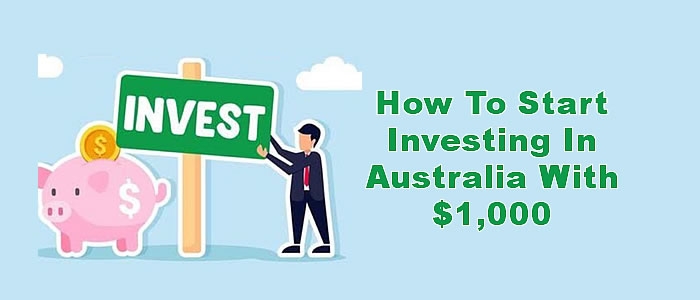
Diving into the world of investing can feel a bit daunting, especially if you think you need a mountain of cash to get started. But here’s the good news: that’s one of the biggest misconceptions out there! In fact, learning how to kick off your investment journey in Australia with just $1,000 is not only possible but also a smart move for many Australians.
Whether you’re a university student, a young professional, or just someone eager to secure a better financial future, putting away a small amount can be your first step toward building lasting wealth. Thanks to modern investment platforms, affordable funds, and handy digital tools, investing in Australia has never been more within reach.
Sure, $1,000 might not sound like a fortune, but when you mix disciplined investing with time and the magic of compound growth, you can really start to see your wealth grow over the years. The secret? Start early, stay consistent, and make choices that are well-informed.
Important: This article is for educational purposes only and does not constitute financial, legal, or tax advice. All investments carry risk, including the potential loss of capital.
Why Start Investing with $1,000?
Many successful investors began with relatively small amounts. The size of your first investment is often less important than developing the habit of investing consistently.
Benefits of Starting Early
Beginning your investment journey sooner allows your money more time to benefit from long-term market growth and compound returns.
Some advantages include:
- Developing healthy financial habits
- Learning how investment markets work
- Reducing the temptation to delay investing
- Taking advantage of compound growth over time
- Building confidence before investing larger amounts
Understanding Compound Growth
Compound growth occurs when investment returns generate additional returns over time.
Example: Imagine you invest $1,000 and continue adding $100 every month over many years. Although investment performance varies and cannot be guaranteed, regular contributions combined with long-term growth can significantly increase your portfolio compared to investing only once. The, earlier you begin, the longer your investments must potentially grow.
Key Takeaways
Time is one of an investor's greatest advantages.
Starting small is better than waiting for the "perfect" time.
Consistency often matters more than the size of your first investment.
Preparing Before You Invest
Before choosing any investment, it is important to build a strong financial foundation.
1. Set Financial Goals
Ask yourself:
- Are you investing for retirement?
- Saving for a home deposit?
- Building passive income?
- Growing long-term wealth?
Clear goals help determine suitable investment choices and timeframes.
2. Build an Emergency Fund
Before investing, many financial educators recommend having accessible savings for unexpected expenses. An emergency fund can help avoid selling investments during difficult times.
3. Pay Off High-Interest Debt
If you have expensive debt, such as high-interest credit cards, reducing this may provide greater financial benefits before investing.
4. Understand Your Risk Tolerance
Every investment involves some level of risk.
Ask yourself:
- How comfortable am I with market fluctuations?
- Can I leave my money invested for several years?
- Would temporary losses cause financial hardship?
5. Choose Your Investment Timeframe
|
Goal |
Typical Timeframe |
|
Holiday |
1–2 years |
|
Car purchase |
2–5 years |
|
House deposit |
5–10 years |
|
Retirement |
20+ years |
Longer investment horizons generally allow investors to better manage market volatility.
Before You Invest Checklist
- Define your financial goals
- Build an emergency fund
- Reduce high-interest debt
- Understand your risk tolerance
- Decide how long you intend to invest
- Research different investment options
Best Investment Options in Australia for $1,000
There are several investment options in Australia suitable for beginners.
Exchange-Traded Funds (ETFs)
What Are ETFs?
Exchange-Traded Funds (ETFs) are investment funds that typically hold a collection of shares, bonds, or other assets and trade on the stock exchange. Instead of buying shares in one company, investors gain exposure to many investments through a single purchase.
Benefits Of Exchange-Traded Funds (ETFs)
- Diversification
- Lower management costs
- Easy to buy and sell
- Suitable for beginners
Risks Of Exchange-Traded Funds (ETFs)
- Market values can fall
- Returns are not guaranteed
Australian Shares
Buying individual Australian shares means purchasing ownership in listed companies.
Common categories include:
Blue-Chip Companies
Often established businesses with long operating histories.
Dividend Shares
Companies that may distribute a portion of profits to shareholders.
Growth Shares
Businesses focused on expanding rather than paying dividends.
Risks Of Exchange-Traded Funds (ETFs)
- Company-specific risk
- Market volatility
- Potential capital losses
Index Funds
Index funds aim to track the performance of a market index rather than outperform it.
Advantages
- Broad diversification
- Lower fees
- Suitable for long-term investing
- Simple investment strategy
Managed Funds
Professional investment managers make investment decisions on behalf of investors.
Advantage Of Managed Funds
- Professional expertise
- Diversification
- Access to multiple asset classes
Disadvantage Of Managed Funds
- Higher fees than some index funds
- Performance varies
Micro-Investing Apps
Micro-investing platforms allow investors to begin with relatively small amounts of money.
These platforms are particularly attractive for beginners wanting to build investing habits.
Benefits Of Micro-Investing Apps
- Easy to use
- Automatic investing features
- Low entry barriers
Limitations Of Micro-Investing Apps
- Platform fees may affect small balances
- Limited investment choices on some platforms
High-Interest Savings Accounts
Although technically not investments, high-interest savings accounts provide a lower-risk option for short-term financial goals.
Suitable for:
- Emergency savings
- House deposits
- Short investment timeframes
Investment Comparison Table
|
Investment Type |
Risk Level |
Potential Return |
Minimum Investment |
Best For |
|
ETFs |
Medium |
Medium–High |
Low |
Beginners |
|
Australian Shares |
Medium–High |
Medium–High |
Low |
Long-term investors |
|
Index Funds |
Medium |
Medium–High |
Low |
Passive investors |
|
Managed Funds |
Medium |
Medium |
Varies |
Investors seeking professional management |
|
Micro-Investing |
Medium |
Medium |
Very Low |
New investors |
|
High-Interest Savings Account |
Low |
Low |
Low |
Short-term goals |
Building Your First Investment Portfolio
Diversification is one of the most important principles in investing.
Rather than placing all your money into one investment, spreading it across different asset types may help reduce overall risk.
Illustrative Example Only
The following example is not personal financial advice.
|
Investment |
Allocation |
|
Broad-market ETF |
$500 |
|
Australian Shares |
$250 |
|
High-interest Savings |
$150 |
|
Micro-investing portfolio |
$100 |
This example demonstrates how different investment types can work together within a diversified portfolio.
Key Principles
- Diversify investments
- Invest consistently
- Reinvest returns where appropriate
- Review periodically
- Avoid emotional decisions
Common Mistakes Beginners Should Avoid
Many new investors make avoidable mistakes.
1. Trying to Time the Market
Predicting short-term market movements is extremely difficult.
2. Investing Emotionally
Fear and excitement often lead to poor decisions.
3. Chasing "Hot Tips"
Investment decisions should be based on research rather than rumours.
4. Ignoring Fees
Investment fees can reduce long-term returns.
5. Poor Diversification
Avoid placing all your money into one company or investment.
6. Expecting Quick Profits
Long-term investing typically rewards patience rather than speculation.
Choosing an Investment Platform in Australia
Several types of platforms are available to Australian investors.
Online Brokerage Platforms
Suitable for investors buying shares or ETFs directly.
Consider:
- Brokerage fees
- User experience
- Research tools
- Customer support
Robo-Advisers
These platforms build diversified portfolios automatically based on general investor preferences.
Suitable for:
- Beginners
- Passive investors
Micro-Investing Platforms
Ideal for people starting with smaller amounts.
When comparing providers, consider:
- Platform fees
- Investment choices
- Educational resources
- Ease of use
- Customer service
Long-Term Wealth Building Strategies
Successful investing is often about consistency rather than trying to achieve quick wins.
Dollar-Cost Averaging
Investing fixed amounts regularly may reduce the impact of short-term market volatility.
Dividend Reinvestment
Reinvesting dividends can contribute to long-term portfolio growth.
Continue Investing Regularly
Adding to your investments each month helps build discipline.
Review Your Portfolio
Periodically check whether your investments still align with your financial goals.
Stay Invested During Market Fluctuations
Markets naturally rise and fall.
Long-term investors often benefit from maintaining discipline rather than reacting to short-term volatility.
Expert Tip
Successful investors focus less on predicting markets and more on consistently following a long-term investment strategy.
Frequently Asked Questions
Is $1,000 enough to start investing in Australia?
Yes. Many investment platforms allow Australians to begin investing with $1,000 or even less.
What is the safest investment for beginners?
Lower-risk options such as high-interest savings accounts preserve capital but generally offer lower potential returns. Investments such as ETFs and diversified funds may suit long-term investors but still carry market risk.
Should I invest in shares or ETFs?
Shares offer exposure to individual companies, while ETFs generally provide broader diversification. The right choice depends on your goals and risk tolerance.
How much money can I realistically make?
Investment returns vary widely and cannot be guaranteed. Long-term performance depends on market conditions, investment choices, fees, and the length of time you remain invested.
Can I lose money?
Yes. All investments involve risk, and the value of investments can rise or fall.
How often should I invest?
Many long-term investors choose to invest regularly, such as monthly, to build consistency.
What taxes apply to investments in Australia?
Investment income and capital gains may have tax implications. Tax treatment depends on individual circumstances, so consider consulting a qualified tax professional or financial adviser.
Practical Investment Checklist
Before Investing
Define your financial goals
- Build an emergency fund
- Understand investment risks
- Research investment options
- Compare investment platforms
- Set a realistic investment budget
After Investing
Monitor your portfolio periodically
- Continue learning about investing
- Reinvest returns where appropriate
- Review financial goals annually
- Avoid emotional decision-making
In conclusion, starting your investment journey in Australia with just $1,000 shows that you don’t need a fortune to begin building wealth. The key is to take that first step, cultivate good financial habits, and keep a long-term outlook. Whether you opt for ETFs, Australian shares, index funds, managed funds, or other affordable investment options, remember that diversification and consistency are crucial. While investing does come with risks and no investment can promise profits, sticking to a disciplined saving routine, investing regularly, and continuously educating yourself about finances can set you up for lasting wealth.
Keep in mind that successful wealth building in Australia isn’t usually about chasing the next big opportunity. More often, it’s about being patient, making informed choices, setting realistic expectations, and giving your investments the time they need to grow. If you’re feeling uncertain about which investment strategy suits your situation best, it might be wise to consult a qualified financial adviser before diving in.





 How To Turn Income Into Assets