
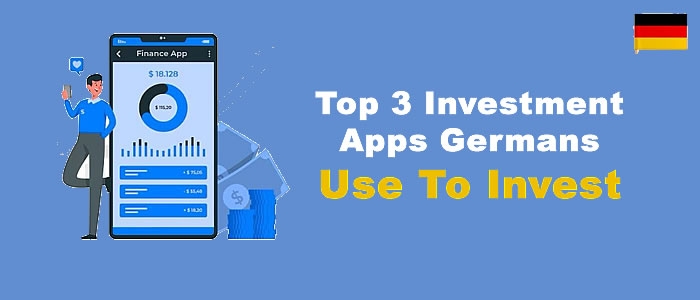
Over the last ten years, the investment landscape in Germany has quietly but significantly changed. In the past, many German families leaned towards savings accounts, fixed deposits, and insurance products, viewing them as safe, stable, and straightforward options. However, with interest rates remaining low and inflation on the rise, a growing number of people are turning to capital markets to enhance their wealth.
At the heart of this transformation is the emergence of mobile investment apps. These handy tools have made it much easier for individuals to purchase shares, invest in exchange-traded funds (ETFs), and tap into global markets right from their smartphones. What used to require a bank advisor or a brokerage account filled with complicated paperwork can now be accomplished in just a few minutes.
Several reasons explain the surge in popularity of investment apps in Germany:
- Lower barriers to entry (some allow investments starting at just €1)
- Lower trading fees compared to traditional banks
- User-friendly mobile interfaces
- Automated ETF savings plans
- Greater financial education and awareness among younger generations
As a result, digital investing platforms are no longer just for a niche audience. They are becoming essential financial tools for students, professionals, and even seasoned investors looking for affordable ways to diversify their portfolios. However, picking the right investment app isn’t as simple as it seems. Each platform has its own set of fees, investment choices, usability, and risk levels. Grasping these differences is crucial for making smart financial choices.
This article offers a detailed look at the top three investment apps currently popular in Germany, highlighting how they function, who they’re best suited for, and the pros and cons they bring to the table.
2. Overview of Investing in Germany
Germany has one of the most stable and well-regulated financial systems in Europe. The investment environment is overseen by regulatory bodies such as BaFin (Federal Financial Supervisory Authority), which ensures that financial service providers operate transparently and protect investor interests.
Common Investment Options
Retail investors in Germany typically access the following asset classes:
1.Stocks (Equities)
Shares in individual companies listed on German or international stock exchanges.
2.ETFs (Exchange-Traded Funds)
Baskets of assets that track indices such as the DAX, S&P 500, or MSCI World. ETFs are particularly popular due to their diversification and low fees.
3.Bonds
Government or corporate debt instruments offering fixed or variable returns, generally considered lower risk than stocks.
4.Crypto Assets (limited plat forms)
Some apps offer cryptocurrency trading, although regulation in this area is still evolving.
Regulatory Environment
Investment apps operating in Germany must comply with strict European Union financial regulations, including MiFID II. This ensures:
- Transparent fee disclosure
- Investor protection rules
- Segregation of client funds
- Risk warnings for complex products
How Apps Simplify Investing
Investment apps remove many traditional barriers:
- No need for physical paperwork
- Instant account creation and identity verification
- Fractional investing (buying parts of shares)
- Automated monthly savings plans
- Real-time portfolio tracking
This accessibility has contributed significantly to the rise of retail investing across Germany, particularly among younger demographics.
3. Top 3 Investment Apps in Germany
The German fintech market includes several strong players, but three platforms stand out in terms of popularity, usability, and market presence:
Each platform serves slightly different investor needs.
3.1 Trade Republic
Trade Republic has become one of the most widely used mobile brokers in Germany due to its simplicity and low-cost structure.
Trade Republic is a mobile-first brokerage platform that allows users to invest in stocks, ETFs, derivatives, and selected cryptocurrencies. It is designed for simplicity and accessibility, making it especially attractive to beginners.
Key Features Of Trade Republic
- Commission-free trading model (with small external fees in some cases)
- Fractional shares investing
- Automated ETF savings plans
- Mobile-first interface
- Access to global stock exchanges
Investment Options
- Stocks (Germany, US, global markets)
- ETFs
- Bonds (limited availability)
- Cryptocurrencies (selected assets)
Fee Structure
Trade Republic is known for its low-cost model. While trades are often commission-free, users may pay:
- A fixed external settlement fee per trade
- Spread costs depending on market conditions
User Experience
The app is designed for simplicity. Everything from portfolio tracking to trade execution is streamlined for mobile users. However, it may feel limited for advanced investors who prefer deeper analytics.
Strengths
- Very low fees
- Easy-to-use interface
- Strong ETF savings plan system
- Fast account setup
Limitations
- Limited advanced research tools
- Fewer asset classes compared to traditional brokers
- Mobile-only experience (no full desktop platform)
Best Suited For
- Beginner investors
- ETF-focused long-term investors
- Young professionals starting wealth building
Security and Regulation
Trade Republic operates under European financial regulation and partners with licensed custodians to safeguard client assets. Cash deposits are typically protected under EU deposit guarantee schemes up to applicable limits.
3.2 Scalable Capital
Scalable Capital is another major German investment platform that combines self-directed investing with robo-advisory features.Scalable Capital offers both a brokerage platform and automated portfolio management services. It appeals to users who want flexibility between active and passive investing.
Key Features of Scalable Capital
- ETF and stock trading
- Automated portfolio management (robo-advisor option)
- ETF savings plans
- Tiered subscription model (free and premium plans)
- Desktop and mobile access
Investment Options
- Stocks
- ETFs
- Crypto (via partnerships)
- Managed portfolios (robo-advisory)
Fee Structure
Scalable Capital typically uses a subscription-based model:
- Free plan with basic trading features
- Paid plans with reduced trading fees and additional features
Trading costs depend on the selected plan, making it flexible for different investor types.
User Experience
The platform is slightly more advanced than Trade Republic, offering more analytical tools and flexibility. It is still beginner-friendly but also suitable for intermediate investors.
Strengths
- Flexible pricing plans
- Strong ETF savings plan options
- Robo-advisor for passive investors
- Desktop + mobile access
Limitations
- Subscription fees may not suit very casual investors
- Interface slightly more complex for beginners
- Some features locked behind premium tiers
Best Suited For
- Intermediate investors
- Long-term ETF investors
- Users who want both DIY and automated investing
Security and Regulation
Scalable Capital is regulated under German and EU financial laws and uses secure custodial banking partners to protect client assets.
3.3 eToro
eToro is a global investment platform widely used in Germany, particularly known for its social trading features. Unlike the previous two platforms, eToro focuses on social and copy trading. Users can invest in stocks, ETFs, cryptocurrencies, and also follow or copy experienced traders.
Key Features Of eToro
- Social trading network
- CopyTrader functionality
- Stocks, ETFs, crypto access
- Global market exposure
- User community insights
Investment Options
- Stocks
- ETFs
- Cryptocurrencies
- Commodities (in some regions)
Fee Structure
eToro generally operates with:
- Zero commission on stock trading (conditions apply)
- Spread-based fees on trades
- Withdrawal and currency conversion fees
User Experience
The platform is visually engaging and community driven. However, it may feel more complex due to social trading features and a wider asset selection.
Strengths
- Social and copy trading features
- Wide range of global assets
- Strong educational content and community insights
- Suitable for diversified investing
Limitations
- Higher indirect costs (spreads, conversions)
- Less suitable for passive ETF-only investors
- Complexity may overwhelm beginners
Best Suited For
- Active traders
- Investors interested in social trading
- Users seeking global diversification
Security and Regulation
eToro operates under multiple regulatory jurisdictions, including European oversight for users in Germany. Client funds are held in segregated accounts.
4. Comparison of the Top 3 Apps
|
Feature |
Trade Republic |
Scalable Capital |
eToro |
|
Fees |
Very low |
Low–moderate (subscription-based) |
Variable (spread-based) |
|
Ease of Use |
Very easy |
Easy–moderate |
Moderate |
|
Investment Options |
Stocks, ETFs, crypto |
Stocks, ETFs, robo-advisor |
Stocks, ETFs, crypto, social trading |
|
Best For |
Beginners |
Intermediate investors |
Active/social traders |
|
Platform Type |
Mobile-first |
Hybrid (mobile + desktop) |
Social trading platform |
|
Education Tools |
Basic |
Moderate |
Strong community-driven |
Key Insights
- Trade Republic is best for simplicity and low-cost ETF investing.
- Scalable Capital offers the most balanced approach between automation and control.
- eToro stands out for social trading and global market access but may be less cost-efficient.
5. How to Choose the Right Investment App
Selecting an investment app depends on personal financial goals and investing behaviour.
Key Considerations
1.Financial Goals
Are you investing for retirement, short-term gains, or wealth building? Long-term goals usually favour ETF-focused platforms.
2.RiskTolerance
Higher-risk investors may prefer platforms like eToro, while conservative investors may prefer ETF-based apps.
3.Experience Level
Beginners benefit from simple interfaces, while experienced users may want advanced tools.
4.Fees vs Features
Lower fees are important, but additional features like analytics or automation may justify higher costs.
5.Investment Horizon
Long-term investors should prioritise low-cost ETFs and savings plans.
6.Regulation and Security
Always choose platforms regulated under EU or German financial law.
6. Advantages and Risks of Investment Apps
Advantages
- Easy access to financial markets
- Low-cost investing options
- Flexible portfolio management
- Automated investing features
- Educational tools for beginners
Risks
- Market volatility and potential losses
- Emotional or impulsive trading behaviour
- Overtrading due to mobile accessibility
- Limited financial knowledge among beginners
Responsible investing requires discipline, patience, and continuous learning.
7. Future of Investment Apps in Germany
The German fintech sector is expected to continue expanding rapidly. Several key trends are shaping the future:
1. AI-Driven Investing Tools
Artificial intelligence is increasingly being used for portfolio suggestions, risk analysis, and automated trading insights.
2. Growth of ETF Investing
ETFs are likely to remain the dominant investment product due to their simplicity and diversification benefits.
3. Increased Retail Participation
More young people and professionals are entering the investment market through mobile apps.
4. Regulatory Evolution
European regulators are expected to continue strengthening investor protection frameworks, particularly around crypto assets and leveraged products.
5. Expansion of Financial Education
Investment apps are increasingly integrating educational tools to help users make informed decisions.
8. Conclusion: Investment apps have transformed how people in Germany access financial markets. What was once complex and institution-driven is now simple, mobile, and accessible.
Among the top platforms:
- Trade Republic stands out for simplicity and low-cost ETF investing.
- Scalable Capital offers a balanced mix of automation and flexibility.
- eToro provides a global, social trading experience for more active users.
Ultimately, there is no single “best” app. The right choice depends on individual goals, experience, and investment strategy. As digital investing continues to grow in Germany, the most important factor remains unchanged: informed and responsible decision-making.




 How To Turn Income Into Assets
  10 Things You Should Stop Buying If You Want To Build Wealth
  Why One Income Stream Can Be Risky
  How To Develop Financial Discipline