
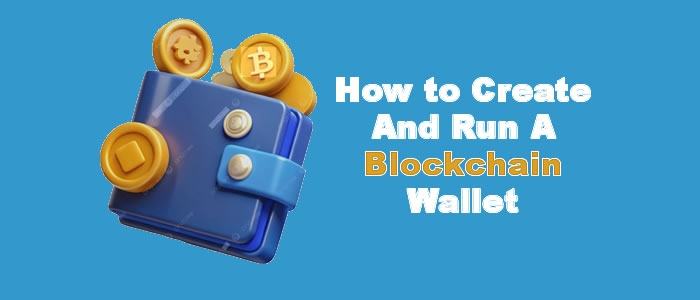
Blockchain technology (block chain com) has transformed the way people store, transfer, and manage digital assets. At the center of this revolution is the blockchain wallet—a tool that allows users to securely send, receive, and store cryptocurrencies and other digital assets. (smart contracts)
Whether you're planning to invest in cryptocurrencies, build a fintech startup, or simply want to understand how digital wallets work, learning how to create and run a blockchain wallet is essential. This comprehensive guide explains everything from basic concepts to advanced management strategies (web3 projects)
1. Understanding What a Blockchain Wallet Is
A blockchain wallet is a digital tool that allows users to interact with blockchain networks. (blockexplorer) It does not actually “store” cryptocurrency in the traditional sense. Instead, it stores private and public keys that provide access to assets recorded on the blockchain (fire blocks crypto)
Main Components of a Blockchain Wallet
- Public Key – Similar to a bank account number. It is shared with others to receive funds (track crypto transaction)
- Private Key – A secret code that gives you full control over your funds.
- Wallet Address – A hashed version of the public key used for transactions.
- Seed Phrase (Recovery Phrase) – A set of 12–24 words that can restore your wallet if lost ( cudo miner)
Note: If someone gains access to your private key or seed phrase, they can control your funds. Therefore, security is critical.
2. Types of Blockchain Wallets
Before creating a wallet, it’s important to understand the available options.
A. Hot Wallets (Online Wallets)
Connected to the internet.
Examples:
- MetaMask
- Trust Wallet
- Coinbase
Advantages Of Hot Wallets (Online Wallets)
- Easy to use
- Quick access to funds
- Ideal for frequent transactions
Disadvantages Of Advantages Of Hot Wallets (Online Wallets)
- Vulnerable to hacking
- Dependent on internet security
B. Cold Wallets (Offline Wallets)
Not connected to the internet.
Examples:
- Ledger
- Trezor
Advantages Of Cold Wallets (Offline Wallets)
- Highly secure
- Ideal for long-term storage
Disadvantage Of Cold Wallets (Offline Wallets):
- Less convenient for daily use (quicknode)
- Can be expensive
C. Custodial vs Non-Custodial Wallets
- Custodial Wallet – A third party controls your private keys.
- Non-Custodial Wallet – You control your private keys.
- For maximum control and independence, many blockchain enthusiasts prefer non-custodial wallets ( web3 platform)
3. How to Create a Blockchain Wallet
Step 1: Choose the Right Wallet Type
- Decide based on:
- Security needs
- Frequency of transactions
- Type of cryptocurrency
- Ease of use
- Beginners often start with hot wallets like MetaMask or Trust Wallet.
Step 2: Download and Install the Wallet
Always download from the official website or verified app store.
For example:
- Install MetaMask browser extension.
- Install Trust Wallet mobile app.
- Avoid third-party links to prevent phishing scams.
Step 3: Create a New Wallet
- When you open the app:
- Click “Create New Wallet”
- Set a strong password
- Write down your seed phrase (12–24 words)
- Confirm your seed phrase
Important:
Never screenshot your seed phrase. Write it down on paper and store it safely.
Step 4: Secure Your Wallet
Security best practices include:
- Enable two-factor authentication (2FA)
- Use a hardware wallet for large funds
- Store recovery phrase offline
- Avoid public Wi-Fi when making transactions
4. How to Run and Manage a Blockchain Wallet
Creating a wallet is only the beginning. Running it effectively requires understanding transactions, fees, and security ( block chain com)
A. Receiving Cryptocurrency
- Click “Receive”
- Copy your wallet address
- Share the address with the sender
- Always confirm the blockchain network (e.g., Ethereum, BNB Smart Chain) before receiving funds.
B. Sending Cryptocurrency
- Click “Send”
- Enter recipient’s wallet address
- Enter amount
- Confirm network fee (gas fee)
- Approve transaction
- Transactions are irreversible. Always double-check addresses.
C. Understanding Gas Fees
On networks like Ethereum, users pay gas fees for transactions. Fees vary depending on network congestion (crypto waves)
To save money:
- Send during off-peak hours
- Use Layer-2 solutions
- Compare network costs
5. Advanced Wallet Management
A. Connecting to Decentralized Applications (DApps)
Wallets like MetaMask allow connection to decentralized apps for:
- DeFi investing
- NFT trading
- Staking
- Gaming
Always verify smart contracts before approving transactions.
B. Staking and Earning Rewards
Some wallets allow staking cryptocurrencies to earn passive income.
Benefits Of Staking and Earning Rewards:
- Earn interest
- Support blockchain security
Risks Of Staking and Earning Rewards:
- Lock-up periods
- Market volatility
C. Multi-Wallet Strategy
Many experienced users operate:
- One hot wallet (daily transactions)
- One cold wallet (long-term storage)
- Separate wallet for DeFi activities
- This reduces overall risk exposure.
6. Security Best Practices
Security is the most important part of running a blockchain wallet.
Golden Rules:
- Never share your private key
- Never share your seed phrase
- Beware of phishing emails
- Double-check URLs
- Use hardware wallets for large funds
- Regularly update wallet software
7. Common Mistakes to Avoid
Sending funds to the wrong network
- Losing seed phrase
- Falling for fake airdrops
- Approving malicious smart contracts
- Storing recovery phrase digitally
Blockchain transactions are permanent. There is no customer support that can reverse mistakes ( decentralized app)
8. How to Create Your Own Blockchain Wallet (For Developers)
If you're a developer building a blockchain startup, you can create a custom wallet by:
- Choosing a blockchain (Ethereum, Solana, BNB Chain, etc.)
- Using SDKs (Web3.js, Ethers.js)
- Integrating key generation libraries
- Implementing encryption protocols
- Adding UI/UX design
- Conducting security audits
You may also integrate APIs from blockchain infrastructure providers.
9. Legal and Regulatory Considerations
Depending on your country:
- Some governments regulate crypto wallets
- KYC may be required for custodial wallets
- Tax reporting may apply
- Before launching a blockchain wallet business, consult a legal expert familiar with fintech and digital asset regulations ( mempool)
10. The Future of Blockchain Wallets
Blockchain wallets are evolving rapidly with features like:
- Biometric authentication
- Multi-signature security
- Social recovery systems
- AI fraud detection
- Cross-chain compatibility
As blockchain adoption increases globally, wallets will become more user-friendly and integrated into everyday finance.( mempool)
Conclusion: Creating and running a blockchain wallet is not just about installing an app—it requires understanding security, transaction management, and blockchain fundamentals.
Whether you're:
- A beginner investor
- A crypto trader
- A fintech entrepreneur
- A blockchain developer
Mastering wallet creation and management gives you full control over your digital assets.
- The most important lesson?
- Security first, convenience second.
With the right knowledge and careful management, a blockchain wallet can become a powerful tool for financial independence in this digital age.




 Side Hustles You Can Start This Weekend
  When Should You Take A Business Loan