
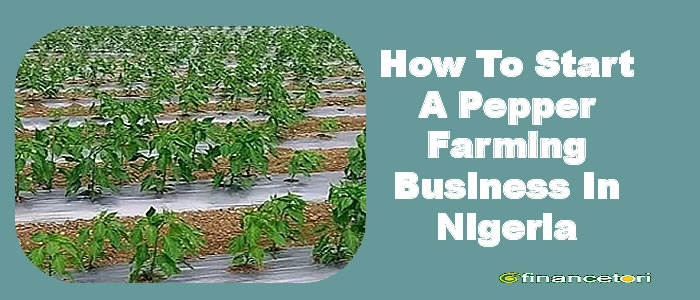
Why Consider Pepper Farming in Nigeria?
Pepper is an important ingredient in Nigerian kitchens. It is used in soups, stews, sauces, pepper soup, jollof rice and many other meals. Households, restaurants, food vendors, market traders and food-processing businesses all create potential markets for fresh and processed pepper.
For aspiring entrepreneurs, pepper farming in Nigeria can be an agricultural business opportunity, provided production is planned around local demand, suitable growing conditions and realistic costs. Farmers may sell fresh green or ripe pepper, dry suitable varieties for later sale, or supply buyers who process pepper into pastes and powders.
However, pepper farming is not automatically profitable. Prices fluctuate, crops can be damaged by pests and diseases, and fresh produce can lose value when harvesting, packaging or transportation is poorly managed. High selling prices do not necessarily mean high profit if production expenses are also high.
The best approach is to research your market, select an appropriate variety, start at a manageable scale, learn sound farming practices and build relationships with buyers before the first harvest.
Nigeria's agricultural extension resources include guidance on irrigated pepper production, reflecting the importance of water management in suitable production areas.
Understanding Pepper Farming in Nigeria
Pepper farming involves growing plants from the Capsicum group for their fruits, then harvesting and selling them for fresh consumption or processing.
Different pepper types serve different markets. Before purchasing seeds, confirm the actual variety, fruit characteristics and buyer requirements rather than relying on a local name alone.
Common pepper types and their potential markets
1. Scotch bonnet and habanero-type pepper
Often sold in Nigeria's ata rodo market, these peppers are valued for their strong heat and distinctive flavour. They may suit fresh markets, restaurants and pepper-processing businesses. Local names can overlap, so confirm the seed variety rather than assuming every ata rodo is botanically identical.
2. Bird's-eye and other small hot peppers
These may suit buyers seeking small, highly pungent peppers for fresh use, drying or processing. Their commercial suitability depends on local demand and the variety's growing characteristics.
3. Cayenne and long chilli types
Long chilli peppers may be sold fresh, dried or processed into flakes and powder. Confirm the preferred shape, colour, heat level and dryness requirements with potential buyers.
4. Sweet pepper and bell pepper
These are generally grown for markets seeking larger, milder fruits. Some production systems, including protected cultivation, may be appropriate depending on the variety, climate, capital and buyer requirements. Greenhouse production can involve substantially different costs from open-field farming.
How to choose the right pepper variety
Consider the following before buying seeds:
- Market demand: Which type do local traders, restaurants and processors actually buy?
- Climate and growing conditions: Is the variety suitable for your location and planned production season?
- Seed reliability: Can you obtain genuine, properly labelled seeds or healthy seedlings?
- Crop characteristics: Consider maturity, fruit size, colour, heat level and harvest pattern.
- Disease resistance or tolerance: Use documented variety information and advice from a reliable agronomist.
- Production costs: Some varieties or protected production systems may require more investment and specialised management.
Nigeria's National Horticultural Research Institute (NIHORT) publishes information on horticultural research, including habanero varieties. The National Agricultural Extension and Research Liaison Services (NAERLS) also maintains crop variety information. These are useful starting points when investigating locally appropriate varieties.
Is Pepper Farming Profitable in Nigeria?
Pepper farming may generate income, but profitability depends on the relationship between the quantity you can sell, the price received and the total cost of production and marketing.
Important factors include:
- Farm size and the number of healthy, productive plants.
- Variety and saleable yield.
- Seasonal demand and market prices.
- Costs of seeds, fertiliser, labour, irrigation and crop protection.
- Harvesting frequency and post-harvest losses.
- Transport, packaging, market fees and payment arrangements.
- Access to dependable buyers.
A farmer who sells at a lower price but has good yields and low losses may perform better than one who receives a high price but loses much of the crop.
Understand the basic financial terms
- Revenue: The total money earned from selling pepper.
- Operating expenses: Costs incurred in running production and selling the crop.
- Gross profit or gross margin: A measure of revenue remaining after specified direct costs. The exact calculation depends on which costs are included.
- Net profit: What remains after all relevant business expenses have been accounted for.
- Working capital: Money available to pay ongoing expenses before sales generate sufficient cash.
To assess your business, collect local prices and cost quotations instead of relying on claims that a particular plot will automatically produce a large income.
Step 1: Conduct Market Research Before Planting
Do not start by buying seeds. Start by finding out what you can sell, to whom and at what likely price.
Visit nearby markets and speak with pepper traders, retailers, wholesalers, restaurant owners, food vendors and processors. Ask which varieties sell quickly, what quality they expect, how they measure purchases and whether they buy throughout the year.
Investigate:
- Which pepper types are in demand.
- Whether buyers prefer green, red, fresh, dried or processed pepper.
- What prices have been observed recently and how prices change by season.
- Whether buyers have minimum order quantities or delivery requirements.
- How much transport, packaging and market access will cost.
- How quickly buyers pay and whether they accept produce on credit.
- What happens to unsold or damaged produce.
Keep a simple notebook or spreadsheet with the date, market, variety, price, quantity and contact details of potential buyers. Ask more than one trader so that you do not base your business plan on one person's opinion.
Remember that prices observed today may not be the prices available when your crop is ready. If possible, discuss seasonal patterns with experienced traders and compare prices over several weeks.
Step 2: Choose a Suitable Location and Farm Size
Pepper generally grows well in warm conditions with sufficient sunlight and soil that holds enough moisture but drains excess water. Actual requirements vary by variety, season and production system.
What to look for when choosing land
- Soil and drainage: Avoid areas that remain waterlogged after rain. Poor drainage can damage roots and encourage disease.
- Water supply: Check the availability, reliability, quality and cost of water, especially if you plan to farm during the dry season.
- Sunlight: Choose a site with adequate sunlight for the selected variety.
- Accessibility: Workers, inputs and harvested pepper should be able to reach the farm without excessive transport difficulty.
- Market distance: Fresh pepper is perishable, so consider how long it takes to reach buyers.
- Security: Assess risks of theft, crop damage and unauthorised access.
- Land rights: Confirm the lease, permission or ownership arrangement before investing in improvements.
- Weather risks: Consider flooding, erosion, water shortages and the local rainfall pattern.
Where practical, arrange soil testing through a reliable agricultural service. Testing can help identify soil fertility issues and inform fertiliser or soil-amendment decisions.
How much land should a beginner use?
You do not need to purchase a large farm to learn pepper production. You might begin with a small, manageable plot, provided it has suitable water access, secure land-use arrangements and a realistic route to market.
Leasing land or using an appropriately arranged plot may reduce the initial capital required. However, make sure the agreement allows enough time to complete the crop cycle and harvest.
Start at a scale you can manage with your available money, time, labour and experience. Expand only after reviewing the results of your first production cycle.
Step 3: Select Quality Seeds and Prepare the Land
Purchase seeds or seedlings from a reputable agricultural supplier. Check the variety name, packaging, seed quality information, expiry details where provided and suitability for your production area.
Avoid buying poorly labelled seeds simply because they are cheap. If you are unsure which variety is suitable, consult an agricultural extension officer, a recognised research institute or a reputable agronomist.
Estimate your seed or seedling requirement from the actual planting area, recommended spacing, expected germination and a reasonable allowance for failed seedlings. Do not use a universal seed quantity without checking the variety and production system.
Prepare the farm
- Clear the land safely and remove unwanted vegetation.
- Assess drainage and plan how excess water will move away.
- Prepare beds or ridges where appropriate for the soil and local conditions.
- Plan pathways, irrigation access and working areas before planting.
- Obtain soil-test results where possible.
- Apply compost, fertiliser or other soil amendments according to crop needs and reliable recommendations.
Do not assume that applying more fertiliser will always increase yield. Excessive or unsuitable application can waste money, harm plants and create environmental problems.
Step 4: Raise Seedlings and Transplant Pepper
Many pepper varieties are established in a nursery before being transplanted to the field. A nursery makes it easier to monitor young plants and select healthy seedlings.
Raising seedlings
- Use clean nursery trays, containers or a suitable nursery bed.
- Choose a clean, appropriate growing medium.
- Sow seeds at the depth recommended for the variety.
- Keep the medium evenly moist without allowing it to become waterlogged.
- Provide appropriate light and protect young seedlings from severe weather and pests.
- Inspect seedlings regularly and remove unhealthy plants.
- Follow supplier or extension guidance on nursery duration and transplanting stage.
Germination time and the number of weeks required in the nursery vary with seed quality, temperature, variety and growing conditions. Do not rely on a fixed number of days for every pepper type.
Transplanting into the field
Choose healthy seedlings that have developed sufficiently for field establishment. Where appropriate, harden them gradually by exposing them to field conditions before transplanting.
Transplant during suitable weather, avoiding the hottest part of the day where practical. Water the seedlings carefully after planting and monitor them for wilting or failure to establish.
Follow the recommended spacing for your variety and production system. Plants placed too close together may compete for light, water and nutrients, while excessive spacing may reduce the efficient use of land.
Replace failed seedlings where practical, particularly early in the crop cycle. Record the number planted and the number that survive so you can improve your planning next season.
Step 5: Manage Water, Fertiliser, Weeds and Crop Growth
Good crop management helps plants establish, flower and produce marketable fruits. Create a routine for inspecting the farm rather than waiting until a problem becomes severe.
Water management
Pepper plants need adequate moisture, especially during establishment, flowering and fruit development. However, too much water and poorly drained soil can damage roots and encourage disease.
Possible watering methods include:
- Watering cans for small plots.
- Hoses where water supply and labour permit.
- Drip irrigation, which delivers water close to plant roots.
- Other suitable irrigation systems based on local conditions and available resources.
Choose a method based on water availability, installation cost, labour and the size of the farm. Irrigation frequency depends on weather, soil type, crop stage and the system being used. Check soil moisture rather than following a rigid schedule regardless of conditions.
Fertiliser and soil fertility
Plants require nutrients for healthy growth and fruit production. Nitrogen, phosphorus and potassium are important, but the correct quantities and timing depend on soil conditions and crop needs.
Use soil testing where available and seek a locally appropriate recommendation. Properly managed compost or organic matter may help improve soil condition, but the material must be suitable for agricultural use.
Avoid applying fertiliser by guesswork, mixing products without guidance or placing concentrated fertiliser in direct contact with plant roots.
Weed control
Weeds compete with pepper plants for moisture, nutrients, sunlight and space. Remove weeds early and repeat as necessary.
Manual weeding and suitable mulching may be practical options for small farms. Take care not to damage pepper roots or stems during cultivation.
Mulching and general crop care
Suitable mulch can help conserve moisture and reduce weed growth. Use clean material and avoid arrangements that keep plant stems excessively wet or encourage pests and disease.
During routine inspections, check for:
- Wilting, yellowing or unusual leaf colour.
- Damaged or curled leaves.
- Spots, mould or rotting fruit.
- Broken stems and failed plants.
- Weed growth and drainage problems.
- Signs of insects on leaves and fruit.
Keep brief records of observations, watering, fertiliser application, labour and corrective actions. This information will help you identify recurring problems and control costs.
Step 6: Prevent and Manage Pests and Diseases
Pests and diseases can reduce the quantity and quality of pepper harvested. The specific problems present depend on the location, weather, variety and farm management.
Potential problems include aphids, thrips, whiteflies, mites and fruit-feeding caterpillars. Diseases may include fungal or bacterial infections, viral diseases and root problems associated with poor drainage. These are examples, not a claim that every farm will experience all of them.
Practical prevention measures
- Begin with healthy seeds and seedlings.
- Inspect plants frequently, including the undersides of leaves.
- Keep the farm reasonably free of weeds that may harbour pests.
- Maintain suitable spacing and drainage.
- Remove severely diseased plants appropriately.
- Clean tools and avoid moving contaminated plant material around the farm.
- Rotate crops where practical, avoiding repeated planting of related susceptible crops in the same area.
- Obtain reliable diagnosis before spending money on crop protection products.
If pesticides are needed, use only products approved for the intended crop and pest. Read and follow the label, wear the required protective equipment and observe the stated pre-harvest interval—the minimum time that must pass between the final application and harvesting. Seek qualified guidance if you are unsure.
Never use unregistered chemicals, guess a dosage or mix products without reliable advice. Incorrect pesticide use can harm farmers, consumers, beneficial insects and the environment.
Step 7: Understand the Pepper Production Timeline
The timeline depends on the variety, local weather, nursery practices, water availability and cultivation method. The table below is a planning guide, not a fixed schedule.
|
Stage |
Main activities |
Key consideration |
|
Market research |
Identify buyers and preferred pepper types |
Check demand and prices locally |
|
Land preparation |
Clear, assess drainage and prepare beds |
Correct water management before planting |
|
Nursery establishment |
Sow seeds and monitor seedlings |
Use healthy seeds and suitable growing conditions |
|
Transplanting |
Move healthy seedlings to the field |
Follow variety-specific spacing guidance |
|
Vegetative growth |
Water, weed and monitor plant health |
Avoid moisture stress and nutrient imbalance |
|
Flowering and fruit development |
Monitor moisture, nutrition, pests and disease |
Protect crop health and fruit quality |
|
Harvesting |
Pick fruit at the required maturity |
Follow buyer specifications |
|
Marketing |
Sort, pack, transport and sell |
Minimise delay and post-harvest loss |
Ask the seed supplier or a local extension officer for a realistic variety-specific schedule. Do not assume that every pepper type will be ready for sale at the same age.
Step 8: Harvest, Store and Transport Pepper Properly
Harvesting is not the end of production; it is the beginning of the selling stage. Poor handling can reduce the value of otherwise healthy produce.
Harvesting practices
Harvest when the pepper reaches the maturity, colour and size required by your buyers. Some customers prefer green fruit, while others want fully coloured ripe pepper.
Use clean hands or suitable tools and handle the fruit carefully. Avoid squeezing, throwing or compressing pepper into containers. Separate damaged, diseased and decaying fruit from saleable produce.
Harvesting during cooler parts of the day may be practical where conditions permit, provided the produce is handled hygienically and moved promptly.
Storage and transport
Fresh pepper is perishable. High temperatures, bruising, poor ventilation and delays can contribute to deterioration.
To reduce losses:
- Keep harvested pepper in a shaded area while preparing it for sale.
- Use clean, suitable containers.
- Avoid overfilling or crushing produce.
- Sort fruit according to buyer requirements.
- Arrange transport before harvest where possible.
- Avoid unnecessary delays between picking and delivery.
- Check the condition of produce on arrival.
For longer storage, appropriate temperature, humidity and handling conditions matter. The best arrangement depends on the pepper type, available facilities and expected storage duration. Do not assume that ordinary room storage will preserve every variety equally well.
Consider dried or processed pepper
Drying can provide an alternative market for suitable pepper varieties, particularly where buyers demand dried products. However, drying requires appropriate equipment, clean handling, adequate drying conditions and protection from dust, moisture and contamination.
Grinding pepper into powder or producing packaged products introduces further requirements, including hygiene, packaging, quality control and compliance with applicable food regulations. Begin with fresh sales if that is the most practical option, then investigate processing once you understand demand and costs.
Step 9: Find Buyers and Market Your Pepper
A successful pepper farming business needs a selling strategy as much as a production plan.
Potential customers include:
- Local market traders and wholesalers.
- Retail vegetable sellers.
- Restaurants, hotels and catering businesses.
- Food vendors and pepper soup sellers.
- Food processors and packaged-food businesses.
- Supermarkets and organised retailers, where you can meet their requirements.
- Households buying directly from farmers.
- Suitable online sales channels and local business networks.
How to approach potential buyers
Visit potential customers before planting and ask what they buy, in what quantities, at what quality and how frequently. Explain the variety you intend to grow and the approximate quantity you may be able to supply, while being honest that actual output depends on growing conditions.
Discuss the preferred packaging, delivery location, payment method and payment timing. If a buyer requires a regular supply, consider whether you can realistically meet that requirement.
Keep records of agreed prices and quantities. If you agree to supply on credit, understand the payment terms and the risk of delayed payment before committing produce.
Do not depend on one buyer
Build relationships with more than one potential customer. A trader may offer an attractive price but later reduce purchases, delay payment or become unavailable.
Compare the net proceeds from different sales options. A higher price may not be better if transport, packaging, commissions and spoilage consume the difference.
For example, selling directly to a restaurant might reduce market charges but require smaller deliveries or additional transport. Selling to a wholesaler may allow larger volumes to move quickly, although the price per unit may be lower. Choose the channel that works best for your costs and production capacity.
Step 10: Estimate Start-Up Costs and Prepare a Budget
The cost of starting pepper farming in Nigeria varies by state, season, farm size, land arrangement, irrigation requirements, seed variety, labour rates and the condition of existing infrastructure.
Rather than relying on an online figure that may not apply to your area, obtain current quotations from local suppliers and labourers before committing funds.
Pepper farming start-up budget template
Use the following table to build a budget for your proposed farm. Enter your own quantities and local quotations.
|
Expense |
What to include |
Your estimated cost (?) |
|
Land |
Lease, rental or land-use agreement |
______ |
|
Land preparation |
Clearing, bed or ridge preparation |
______ |
|
Seeds or seedlings |
Suitable variety and required quantity |
______ |
|
Nursery |
Trays, containers and growing medium |
______ |
|
Soil testing |
Testing and interpretation, if available |
______ |
|
Soil amendments |
Compost, fertiliser and other recommended inputs |
______ |
|
Water and irrigation |
Water supply, watering cans, hoses or drip system |
______ |
|
Tools and protective equipment |
Hoes, cutlasses, containers and protective gear |
______ |
|
Labour |
Nursery, transplanting, weeding and crop care |
______ |
|
Crop protection |
Monitoring and appropriate approved products |
______ |
|
Harvesting and packaging |
Picking, sorting and suitable containers |
______ |
|
Transport and market costs |
Delivery, loading and applicable market charges |
______ |
|
Storage or processing |
Only if required for the business model |
______ |
|
Contingency |
Allowance for unexpected expenses |
______ |
|
Total estimated cost |
Sum of all applicable items |
______ |
Understand the three main funding needs
Initial setup costs are expenses needed to establish the farm, such as basic tools or irrigation equipment. Some items may be reused in future production cycles.
Operating expenses are costs incurred as you grow and sell the crop, including labour, seeds, fertiliser, crop protection, packaging and transport.
Working capital is money available to pay these expenses before sales begin. Pepper farming may require spending for a considerable period before harvest generates revenue.
Do not spend your entire budget on land preparation and planting materials. Reserve sufficient funds for ongoing crop care, harvesting and marketing. A farm can produce a good crop but still struggle if there is no money to harvest or transport it.
Step 11: Calculate Revenue, Profit and Break-Even Point
Use conservative estimates rather than assuming the best possible yield and price.
Revenue = Saleable quantity sold × Selling price per unit
Operating profit estimate = Revenue − Operating expenses
For a full net profit calculation, include all relevant costs, such as land expenses, equipment depreciation, financing costs, taxes and other applicable business expenses. The simplified operating calculation below does not include every possible cost.
Illustrative pepper farming calculation
The figures below are entirely hypothetical. They are not current Nigerian market averages, typical yields or a promise of what a farm will produce.
Assume a farmer operates a small 0.1-hectare plot and estimates the following for one production cycle:
|
Item |
Hypothetical assumption |
|
Saleable pepper harvested |
500 kg |
|
Selling price |
?1,000 per kg |
|
Total revenue |
?500,000 |
|
Seeds and nursery materials |
?35,000 |
|
Land preparation and land-use cost |
?50,000 |
|
Fertiliser and soil amendments |
?45,000 |
|
Water and irrigation |
?35,000 |
|
Labour |
?90,000 |
|
Crop protection |
?20,000 |
|
Harvesting and packaging |
?25,000 |
|
Transport and market charges |
?30,000 |
|
Total listed operating expenses |
?330,000 |
|
Estimated operating surplus |
?170,000 |
The arithmetic is:
- Revenue: 500 kg × ?1,000 = ?500,000.
- Operating surplus: ?500,000 − ?330,000 = ?170,000.
This surplus is not necessarily net profit. The simplified example may omit equipment depreciation, financing costs, taxes, unpaid family labour and unexpected expenses. The assumed yield and price also may not be achievable on a real farm.
If saleable yield falls, market prices decline or expenses increase, the result may be much lower or even a loss. A farmer should therefore prepare low-, middle- and high-outcome scenarios using local information.
Understanding break-even
Break-even is the point at which revenue covers the costs included in the calculation.
In the hypothetical example, if total listed expenses are ?330,000 and the selling price is ?1,000 per kilogram, the simplified break-even quantity is:
?330,000 ÷ ?1,000 = 330 kg.
This assumes the selling price remains constant and ignores additional costs not included in the table. In practice, prices and costs may change, so use break-even as a planning tool rather than a guarantee.
Common Mistakes to Avoid in Pepper Farming
New farmers can reduce unnecessary losses by avoiding these common mistakes.
- Planting without researching the market: You may produce a variety buyers do not want. Speak with potential customers before planting.
- Choosing unsuitable seeds: Poor-quality or inappropriate seeds can lead to weak establishment and disappointing results. Buy from reputable suppliers.
- Using poorly drained land: Excess water can damage roots and increase disease risk. Assess drainage before planting.
- Starting too big: A large farm requires more capital, labour and management. Start with a plot you can manage properly.
- Ignoring water availability: Water shortages at critical growth stages can affect production. Plan your water supply before establishing the crop.
- Applying fertiliser by guesswork: Incorrect application can waste money or damage plants. Use soil information and reliable agronomic recommendations.
- Neglecting crop inspections: Small pest or disease problems may become serious when ignored. Inspect plants regularly.
- Using unsafe crop protection products: Unapproved products or incorrect applications can harm workers, consumers and the environment. Follow approved labels and qualified advice.
- Keeping no records: Without records, you cannot reliably compare expenses, yields or sales. Record all significant activities and transactions.
- Handling harvested pepper carelessly: Bruised or damaged produce may fetch lower prices or become unsaleable. Use clean containers and careful handling.
- Waiting until harvest to find buyers: Delays can increase spoilage and selling pressure. Develop buyer relationships before the crop matures.
- Ignoring transportation costs: A high farm-gate price may not translate into a good return after delivery costs. Compare net proceeds.
- Believing guaranteed-profit claims: No variety, farming method or investment guarantees a particular income. Verify claims and calculate your own costs.
- Expanding before reviewing results: Growing more acreage before understanding your first production cycle can multiply mistakes. Review performance before scaling up.
Risks and Challenges of Pepper Farming in Nigeria
Pepper farming faces several risks, and conditions differ between states and growing seasons.
- Unpredictable weather: Excessive rainfall, flooding, heat or irregular rainfall can affect plant health. Choose a suitable site and monitor reliable local weather information.
- Water shortages: Dry periods can affect crop growth. Assess water availability and irrigation costs before planting.
- Pest and disease outbreaks: Inspect plants regularly and seek accurate diagnosis before treatment.
- Market price changes: Prices can fall when supply is high. Develop several sales options and avoid budgeting around a single high price.
- Rising input and labour costs: Obtain quotations in advance and keep contingency funds.
- Transport difficulties: Poor roads or delays can reduce produce quality. Arrange delivery plans and assess market distance.
- Post-harvest spoilage: Sort, pack and transport pepper promptly.
- Limited working capital: Keep enough money available for crop care and harvesting, not only establishment.
- Theft and insecurity: Assess local conditions and use reasonable security arrangements.
- Unreliable buyers: Verify prospective buyers, agree on payment terms and avoid excessive dependence on one customer.
These risks cannot all be eliminated. However, market research, sound agronomic practices, good records and conservative financial planning can help you manage them.
A 90-Day Action Plan for Aspiring Pepper Farmers
This plan covers preparation and early implementation. It does not mean pepper will be ready for harvest within 90 days; crop development depends on the variety and growing conditions.
Days
1–30
Research and planning
- Visit local markets and speak to potential buyers.
- Compare varieties and check reliable seed suppliers.
- Assess possible land, water and transport arrangements.
- Obtain quotations for inputs and labour.
- Prepare a preliminary budget and identify potential risks.
Days
31–60
Preparation and establishment
- Finalise secure land-use arrangements.
- Prepare the land and organise drainage.
- Purchase suitable seeds and nursery materials.
- Arrange water access, tools and labour.
- Establish the nursery according to variety-specific guidance.
Days
61–90
Early crop management and business development
- Continue nursery care or transplant if seedlings are ready.
- Monitor moisture, weeds, pests and plant health.
- Record labour, input use and other expenses.
- Strengthen relationships with buyers.
- Review your budget and adjust the plan where necessary.
At the end of the 90 days, compare your actual progress and spending with the original plan. Continue managing the crop according to its real growth stage rather than a predetermined calendar.
Frequently Asked Questions About Pepper farming
1. Is pepper farming profitable in Nigeria?
It can be profitable when saleable yield and selling prices are sufficient to cover production and marketing costs. Profitability depends on variety, location, season, crop health, labour, water, transportation and market access. Prepare a budget using current local quotations before investing.
2. How much money do I need to start a pepper farm?
There is no single amount that applies to every farm. Costs depend on plot size, land arrangements, irrigation, seed choice, labour and other inputs. Obtain local quotations and prepare a budget that includes working capital and a contingency allowance.
3. Which pepper variety should a beginner grow?
Choose a variety suited to local growing conditions and the market you intend to serve. Confirm what buyers want, check seed quality and seek advice from a reliable agricultural extension officer or agronomist. No single variety is best for every location.
4. Can I start pepper farming on a small plot of land?
Yes. A small plot can be a practical way to learn nursery management, irrigation, crop monitoring, harvesting and marketing. Make sure the land is suitable, water is available and you have a realistic plan for selling the produce.
5. How long does pepper take to grow and produce fruit?
The timeline varies by variety, weather, nursery practices and growing conditions. Some varieties begin producing fruit earlier than others. Ask the seed supplier or a local extension officer for guidance on the specific variety you intend to grow.
6. What type of soil is suitable for pepper farming?
Pepper generally performs well in fertile, well-drained soil with adequate moisture. Soil that remains waterlogged can cause root problems. Soil testing, where available, can help identify fertility issues and guide soil amendments.
7. How often should pepper plants be watered?
Watering frequency depends on soil type, rainfall, temperature, plant growth stage and the irrigation system. Maintain adequate moisture without waterlogging the soil. Inspect soil moisture and seek local guidance rather than relying on one fixed schedule.
8. What are the common pests and diseases affecting pepper?
Potential problems include aphids, thrips, whiteflies, mites, fruit-feeding caterpillars and various fungal, bacterial or viral diseases. Which problems occur depends on local conditions. Inspect crops regularly and seek a reliable diagnosis before applying crop protection products.
9. Where can I sell harvested pepper in Nigeria?
Possible buyers include local traders, wholesalers, retailers, restaurants, food vendors, processors and households. Supermarkets and organised retailers may also be options if you can meet their quality, volume, packaging and delivery requirements. Investigate buyers before planting.
10. How can I reduce losses after harvesting?
Handle fruit carefully, remove damaged produce, use clean containers, protect harvested pepper from excessive heat and arrange prompt transport. Choose packaging and storage methods appropriate for the variety and intended selling period. Drying or processing may provide alternatives where suitable equipment and demand exist.
Conclusion: Start small, plan well and grow strategically. Starting a pepper farming business in Nigeria involves more than planting seeds and waiting for a harvest. It requires market research, suitable land, reliable planting materials, sound crop management, careful budgeting and dependable buyers.
Before investing, find out which pepper types customers want, assess your water supply and land, obtain local input quotations and estimate your likely revenue under different price and yield scenarios. Monitor the crop regularly, handle harvested pepper carefully and keep accurate financial records.
Most importantly, start at a manageable scale and expand based on evidence, not promises of guaranteed profit. Review your production costs, saleable yield, market performance and challenges after each cycle. Use what you learn to improve the next one.
Your first practical step is to visit your nearest pepper market, speak with at least three potential buyers and begin preparing a realistic pepper farming business plan. Careful preparation can help you make better decisions and build a more sustainable agribusiness.





 Why You Should Never Share Your PIN
 How Investment Scams Work