
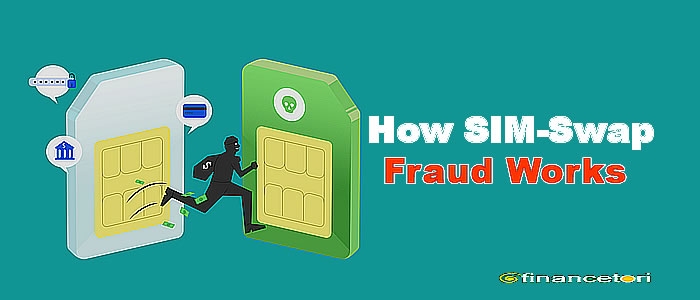
Your mobile phone number is more than a way for people to call or send you messages. It may also be connected to your bank account, mobile banking application, digital wallet, email address, social media profile and other online services. Many organisations use phone numbers to send transaction alerts, deliver one-time passwords (OTPs), confirm account changes or help customers regain access to forgotten passwords. These features can be convenient, but they can also create security risks if someone takes control of your number without permission. SIM-swap fraud is a form of impersonation in which a criminal fraudulently gains control of another person's mobile number. The criminal may then attempt to use that number to receive verification messages, reset passwords or access services linked to the victim.
The consequences can extend beyond losing mobile phone service. Depending on the accounts involved and the security controls in place, victims may face financial fraud, identity misuse, privacy violations and disruption to their personal or business activities. In Nigeria, where mobile telecommunications, USSD banking, mobile banking applications and fintech services are important parts of everyday financial activity, protecting the phone number linked to financial accounts is an essential part of digital security. The same principles apply internationally.
Hypothetical scenario: A number suddenly stops working
Imagine that Ada is using her Nigerian mobile number to receive bank alerts, access her email and communicate with customers. One morning, her phone suddenly displays “No Service”. She restarts the device, but the problem continues. Later, she discovers unexpected password-reset notifications and suspicious banking activity.
The loss of service alone does not prove that Ada has experienced SIM-swap fraud. However, when it occurs alongside unfamiliar security alerts or financial transactions, it should be treated as an urgent warning.
Understanding how SIM-swap fraud works can help mobile subscribers recognise the danger, secure their accounts and report suspected incidents before further harm occurs.
1. What Is SIM-Swap Fraud?
SIM-swap fraud occurs when a criminal causes a mobile network operator to transfer a legitimate subscriber's phone number to a SIM card or supported mobile connection controlled by the criminal, without the subscriber's authorisation. A SIM, or Subscriber Identity Module, is the component or digital profile that enables a mobile device to connect to a mobile network under a particular subscription.
When an unauthorised transfer succeeds, the victim's original SIM may lose access to the number. Calls and text messages intended for the victim may instead reach the criminal's device. The criminal may then attempt to exploit services that rely on SMS verification, phone-based password recovery or other processes associated with the number.
However, a SIM swap does not automatically grant access to every account. Access depends on the service's security controls and whether the criminal has obtained additional information or credentials.
SIM-swap fraud versus other mobile security incidents
These terms are related but have different meanings.
- Legitimate SIM replacement: A subscriber obtains a replacement SIM through the mobile provider's approved process, usually because the original SIM is lost, damaged or being replaced.
- SIM-swap fraud: A criminal fraudulently obtains control of someone else's number through an unauthorised reassignment.
- SIM cloning: A different technical concept involving the copying or duplication of SIM-related credentials. It is not the same as a provider transferring a number to another SIM.
- Number porting fraud: A criminal fraudulently transfers a phone number from one mobile operator to another, where number portability is supported.
- Account takeover: Unauthorised control of an online account. A fraudulent SIM swap can contribute to an account takeover, but account takeovers can also occur through phishing, stolen passwords and other methods.
It is also important to understand that losing mobile signal does not necessarily mean a criminal has taken over your number. Network outages, damaged SIM cards, device faults and coverage problems can cause similar symptoms.
The key is to investigate unexplained service loss promptly, particularly when it coincides with unexpected security notifications.
2. How SIM-Swap Fraud Works: The General Process
SIM-swap fraud typically involves several stages. Understanding these stages helps people recognise the risks without needing to know how to carry out an attack.
Stage 1: Gathering information about the victim
Criminals may seek information that helps them identify a target, impersonate a subscriber or discover which accounts are connected to a phone number.
Information may come from publicly available social media posts, data exposed in security breaches, phishing attempts, fraudulent calls or other unlawfully obtained personal information.
Details such as a person's name, contact information, workplace or other identifying information may help a criminal make an impersonation attempt appear more convincing.
How to protect yourself: Avoid publishing unnecessary personal information, be cautious about unsolicited requests for sensitive details, and remember that information shared online may be copied or misused.
Stage 2: Impersonation and social engineering
Social engineering is the manipulation of people into trusting a false identity or taking an unsafe action.
In SIM-swap fraud, a criminal may impersonate a legitimate subscriber or exploit weaknesses in customer verification procedures. Fraudulent requests may involve deception, pressure, stolen information or other forms of abuse.
The objective is to cause an unauthorised change to the victim's mobile subscription.
How to protect yourself: Never assume that a person contacting you is genuine simply because they know your name or phone number. Verify unexpected requests independently, and do not disclose passwords, PINs or verification codes.
Stage 3: Unauthorised number transfer
The criminal attempts to manipulate the mobile provider's processes so that the victim's number is assigned to a SIM card or connection controlled by the criminal.
Mobile operators use subscriber verification and other safeguards to prevent unauthorised changes, but the effectiveness of these controls can vary.
If the fraudulent transfer succeeds, the criminal may gain control of incoming calls and messages associated with the number.
How to protect yourself: Ask your mobile operator which security measures are available to help prevent unauthorised SIM replacement or number transfers.
Stage 4: Loss of mobile service
Once the number has been transferred, the victim's original SIM may stop receiving calls, text messages and mobile network service.
The victim may notice that the phone displays “No Service”, “Emergency Calls Only” or another connectivity warning.
These symptoms are not conclusive proof of fraud. Nevertheless, sudden and unexplained loss of service deserves immediate attention, especially if other suspicious activity occurs.
Stage 5: Attempted account access
With control of the number, the criminal may be able to receive SMS verification codes or calls intended for the victim.
The criminal may attempt to reset passwords or access services that use phone-based authentication or account recovery.
However, additional authentication requirements, device checks, transaction verification and fraud monitoring may prevent these attempts from succeeding.
Stage 6: Financial or identity abuse
If the criminal gains access to connected accounts, they may attempt unauthorised transactions, change recovery settings, impersonate the victim or access private information.
They may also contact the victim's friends, relatives, customers or colleagues to request money or sensitive information.
This is why quick action matters. Contacting the mobile operator and affected financial institutions as soon as possible can help limit further harm.
3. Why Criminals Target Mobile Numbers
A phone number can serve as a connection between a person's telecommunications subscription and numerous digital services.
Criminals may target numbers because they can potentially help with:
- Bank accounts and transaction notifications: Some banks use registered numbers for alerts, verification or account recovery.
- Fintech applications and digital wallets: Some services use SMS codes or phone-based recovery procedures.
- Email accounts: A phone number may be used to recover an account or verify a sign-in.
- Social media accounts: Platforms may use numbers for login verification, recovery or account notifications.
- Online shopping accounts: A compromised account may expose saved personal details or payment-related information.
- Cryptocurrency services: Some platforms may use phone numbers for verification or recovery, although their security arrangements differ.
- Business communication: A compromised business number may be used to impersonate an owner, employee or supplier.
- Personal identity verification: Certain services use phone numbers as one of several ways to confirm a person's identity.
A mobile number alone does not necessarily provide access to any of these accounts. The risk depends on how each service uses the number and what other security measures are required.
Nevertheless, criminals may see a number as a potential gateway to financial gain, private information, identity misuse or further scams targeting the victim's contacts.
4. Seven Common Warning Signs of SIM-Swap Fraud
Recognising SIM-swap fraud warning signs early can help you protect your accounts. Watch for the following seven indicators.
1. Sudden loss of mobile service
Your phone unexpectedly loses network connectivity, and calls, text messages or mobile data stop working. The problem persists even after basic checks.
What to do: Check whether there is a known network outage, then contact your operator through an independently verified channel if the problem continues.
2. Unexpected SIM replacement or number-transfer notifications
You receive a message, email or other notification about a SIM replacement, subscription change or number transfer that you did not authorise.
What to do: Contact your operator immediately. Do not click suspicious links in the notification; use the provider's official app, website or customer service channel.
3. Missing SMS verification codes
Verification codes that normally arrive stop appearing, especially when you have requested them or are receiving other security notifications.
What to do: Do not repeatedly request codes without investigating. Check your mobile service and contact the relevant provider if you suspect your number is no longer under your control.
4. Unfamiliar password-reset notifications
You receive alerts about password-reset requests, account recovery attempts or security changes that you did not initiate.
What to do: Access the affected service using its official website or application. Secure the account, review recovery settings and report the suspicious activity.
5. Unexpected banking or payment alerts
You receive notifications about transactions, transfers, new beneficiaries or account changes you do not recognise.
What to do: Contact your bank or payment provider immediately using an official channel. Request appropriate protective action and report unauthorised transactions without delay.
6. Suspicious activity on email or social media accounts
You notice unfamiliar sign-ins, messages you did not send, unexpected posts or changes to your recovery information.
What to do: Secure the account from a trusted device, review active sessions and recovery methods, and use the platform's official account-recovery process if access has been lost.
7. Reports from friends, family or customers
People tell you that they have received strange messages, requests for money or unusual links apparently sent from your number or accounts.
What to do: Contact them through another trusted channel and warn them not to act on suspicious requests. Investigate your mobile service and online accounts immediately.
Important: No single warning sign proves that SIM-swap fraud has occurred. However, unexplained loss of mobile service combined with unexpected security notifications or financial activity should be treated as an urgent incident.
5. What Can Happen After a Successful SIM Swap?
The consequences depend on the accounts connected to the number, the criminal's other capabilities and the security controls protecting each service.
Potential consequences include:
- Unauthorised account access: Criminals may access services that rely on SMS-based authentication or recovery.
- Financial fraud: Vulnerable banking, payment or digital wallet accounts may be exposed to attempted or successful unauthorised transactions.
- Password resets: A criminal may attempt to reset credentials for services that accept the phone number as a recovery method.
- Loss of email or social media access: Compromised accounts can expose private messages, personal information and contacts.
- Identity impersonation: Criminals may pretend to be the victim when communicating with friends, relatives, colleagues or customers.
- Exposure of personal information: Information in compromised accounts may be used for further fraud or targeted scams.
- Business disruption: A business owner may lose access to customer communications or become the target of fraudulent payment requests made in the business's name.
- Further scams: Criminals may use information from compromised accounts to make subsequent impersonation attempts more convincing.
Recovering a number does not automatically reverse these consequences. A victim may still need to secure passwords, revoke suspicious sessions, review transactions and restore access to individual accounts.
6. SIM-Swap Fraud in Nigeria
SIM-swap fraud is particularly relevant to Nigerian consumers who use mobile numbers for banking, USSD transactions, fintech applications, payment notifications and account recovery.
A compromised number can create additional risks if it is linked to financial services. Depending on the provider, a criminal may attempt to exploit SMS verification, account recovery or other phone-based processes. Financial services may also require PINs, device checks, passwords or additional authentication, so the outcome varies.
What Nigerian subscribers should do
First, contact your mobile network operator. Use an independently verified official channel or visit an authorised service centre if necessary. Explain that you suspect an unauthorised SIM replacement or number transfer. Ask the operator to investigate, secure the subscription and explain the available steps for restoring control of your number.
Second, contact your bank or fintech provider. If your number is linked to banking, mobile money, payment applications or digital wallets, notify the provider immediately. Report suspicious transactions and request appropriate protective action on affected accounts.
Third, keep complaint records. Record the dates and times of the incident, your interactions with the operator, relevant transaction references and complaint ticket numbers.
Fourth, escalate unresolved telecommunications complaints. The Nigerian Communications Commission (NCC) directs consumers to approach their service provider first and seek further assistance through its official complaint process if the issue remains unresolved. Its current guidance and complaint portal are available through the NCC Consumer Portal.
For banking complaints, the Central Bank of Nigeria (CBN) provides a process for escalating complaints against financial institutions within its regulatory remit. Its guidance generally requires consumers to complain to their financial institution first and follow the applicable escalation procedure.
The exact reporting route depends on the incident, the provider involved and the type of complaint. Do not assume that reporting to a telecommunications operator automatically reports the matter to your bank or a law-enforcement agency.
7. How to Protect Yourself from SIM-Swap Fraud
Prevention involves securing your mobile subscription, limiting exposed personal information and strengthening the accounts connected to your number.
1. Protect your personal information
Avoid publishing unnecessary personal details on social media. Be careful when sharing identity documents, dates of birth, account information or other sensitive data.
2. Strengthen your mobile network account
Ask your operator about available protections against unauthorised SIM replacement or number transfers. Depending on the provider, options may include additional verification, an account PIN, a transfer lock or equivalent security controls.
Do not assume that every operator supports the same features.
3. Secure your bank accounts
Enable available transaction alerts and account-security features. Keep your banking PINs confidential, and contact your bank through a verified channel if your number is compromised.
Remember that transaction alerts help you detect suspicious activity; they do not, by themselves, prevent every fraudulent transaction.
4. Avoid relying only on SMS verification
SMS verification can be useful, but a fraudulent number transfer may allow an attacker to receive messages intended for you.
Where supported, consider stronger alternatives, such as an authenticator application, a passkey or a hardware security key. Each method has different security and recovery characteristics.
5. Protect your email account
Use a strong, unique password and enable robust multifactor authentication. A password manager can help you generate and store unique passwords.
Your email account deserves particular attention because it may be used to reset passwords for other accounts. Secure its recovery methods as carefully as its password.
6. Never share verification codes
Never disclose one-time passwords, authentication codes, account PINs or recovery codes to someone who contacts you unexpectedly.
A caller claiming to be from a bank, mobile network or technology company should not be trusted simply because they know personal details about you. Verify the request independently.
7. Beware of phishing and impersonation
Phishing involves deceptive messages or websites designed to trick people into revealing information or taking unsafe actions.
Be cautious about unexpected messages asking you to verify your account, resolve an urgent problem or provide personal information. Visit the service's official website independently rather than following suspicious links.
8. Use strong and unique passwords
Do not reuse the same password across your email, banking, social media and other services. If one account is compromised, reused passwords can put other accounts at risk.
A reputable password manager can make this easier to manage.
9. Secure your social media accounts
Use strong authentication and limit unnecessary public personal details. Review recovery options and pay attention to unfamiliar login notifications or unexpected account changes.
10. Keep recovery options updated
Review your registered phone numbers, recovery email addresses and trusted devices periodically. Remove obsolete or unfamiliar recovery methods where the service permits.
Make sure your recovery options are themselves protected against unauthorised access.
11. Monitor account activity
Check banking transactions, account sign-ins, password-reset notifications and changes to recovery settings. Report unfamiliar activity as soon as you discover it.
12. Investigate unexplained service loss quickly
If your phone unexpectedly loses service, investigate instead of assuming the problem will resolve itself. Contact your operator using another phone or a trusted internet connection if necessary.
13. Educate family members and employees
Explain how impersonation attempts work and encourage people to verify unusual requests involving money, sensitive information or account access.
For businesses, establish a procedure for confirming changes to supplier payment details and urgent financial requests through a separate trusted channel.
14. Maintain an account recovery plan
Keep official provider contact information, account-recovery instructions and essential complaint references in a secure location that does not depend entirely on your mobile number.
A recovery plan can reduce confusion and save valuable time during an incident.
15. Prefer authentication that is not dependent on your phone number
Where available, use passkeys or security keys for important accounts, particularly email and business administration accounts. A passkey can use cryptographic credentials linked to a device or credential manager, reducing dependence on SMS codes.
Keep secure recovery methods in place so that stronger authentication does not leave you permanently locked out if a device is lost.
8. What to Do If You Suspect SIM-Swap Fraud
If you suspect someone has taken control of your number, act quickly. The following steps can help limit the impact.
1. Contact your mobile network operator immediately.
Use a verified channel through another phone, the provider's official website or an authorised service centre. Explain that you suspect an unauthorised SIM replacement or number transfer.
2. Request an investigation and restoration of your number.
Ask the operator to investigate the unauthorised change and explain how to restore your access. Ask what protective measures can be applied to your subscription.
3. Contact your bank and relevant financial providers.
If your number is connected to bank accounts, fintech applications or digital wallets, report the incident immediately. Ask for appropriate account restrictions, transaction checks or other protective action.
4. Secure your email account.
Use a trusted device and the service's official website or application. Prioritise email accounts that can be used to reset other passwords.
5. Change compromised passwords and review account access.
Review recovery information, active sessions and trusted devices. Sign out unfamiliar sessions, remove unauthorised recovery options and replace compromised passwords with unique ones.
6. Strengthen authentication.
Where available, use an authenticator application, passkey or hardware security key instead of relying solely on SMS. Update account recovery arrangements as necessary.
7. Review transactions and preserve evidence.
Check recent transactions, sign-in activity and account changes. Keep suspicious messages, provider notifications, transaction references, dates, times and complaint numbers.
8. Report the incident through appropriate channels.
Contact the relevant provider, affected online platforms and appropriate authorities. In Nigeria, consider the applicable telecommunications complaint, financial complaint and cybercrime reporting routes.
9. Warn important contacts.
Use another trusted communication channel to tell friends, family, colleagues or customers that your number or accounts may be compromised. Ask them to verify unusual payment requests independently.
Prioritise according to the incident. If suspicious financial transactions are already occurring, contact the bank and mobile operator in parallel rather than waiting for one to finish its investigation. If your email account is compromised, secure it urgently because it may provide access to other services.
There is no guarantee that a number, account or lost money can always be recovered. Nevertheless, prompt reporting, account protection and evidence preservation can help reduce further harm and support an investigation.
9. How to Report SIM-Swap Fraud in Nigeria
Reporting the incident to the correct organisation helps ensure that each part of the problem is addressed.
Mobile network operator
Report suspected unauthorised SIM replacement or number transfer to your mobile provider first. Request an investigation and obtain a complaint or ticket reference where available.
The NCC's official consumer guidance explains how to escalate telecommunications complaints when the service provider has not satisfactorily resolved the issue.
Bank, fintech provider or payment service
Contact the affected financial institution immediately if you suspect that your number has been used to access an account or if you notice unauthorised transactions. Ask the institution to investigate, secure the account, review suspicious transactions and explain the appropriate dispute procedure.
In Nigeria, the CBN provides guidance on financial complaints and escalation to its Consumer Protection Department when the relevant institution has not resolved the complaint in accordance with the applicable process. Follow the current official procedure for your institution and complaint type.
- CBN Complaint Lodgement Guidance
Online platforms
If an email, social media or other online account has been compromised, report it through the platform's official security or account-recovery process. Use a trusted device and avoid recovery links received through suspicious messages.
Nigeria Police Force and cybercrime reporting
Where the incident involves suspected criminal activity, financial loss, identity impersonation or other offences, consider reporting it to the Nigeria Police Force through an appropriate official channel. Nigeria's Computer Emergency Response Team, known as ngCERT, also provides cybersecurity incident-response information and designated reporting contacts. Consult its official website to determine the appropriate route for your incident.
What information should you keep?
Prepare a clear record containing:
- The affected phone number and mobile operator.
- The date and approximate time the service stopped working.
- Any unexpected SIM replacement or security notifications.
- Relevant bank transaction references and amounts.
- The names of affected services and accounts.
- Complaint or case reference numbers.
- Copies of relevant messages, screenshots and other evidence.
Never include your banking PIN, password or full authentication codes in a complaint unless a verified, legitimate process specifically requires a safe form of information—and never disclose credentials to unsolicited callers. Important: Reporting a telecommunications incident does not replace reporting suspicious financial transactions directly to the affected bank or payment provider.
10. Common Myths About SIM-Swap Fraud
Myth 1: “SIM-swap fraud is the same as SIM cloning.”
Fact: SIM-swap fraud involves an unauthorised transfer of a phone number to another SIM or supported mobile connection. SIM cloning is a different technical concept involving SIM-related credentials.
Myth 2: “A criminal must steal my phone to take over my number.”
Fact: Physical possession of the original phone is not necessary for a fraudulent number transfer. The criminal's objective is to obtain control of the number through an unauthorised change.
Myth 3: “A strong phone lock means my number cannot be hijacked.”
Fact: A screen lock protects access to your device, but it does not independently prevent an unauthorised SIM replacement by a criminal. Both device security and mobile subscription security matter.
Myth 4: “Losing network service always means I have been targeted.”
Fact: Network outages, damaged SIM cards, device faults and coverage problems can also cause service loss. Investigate persistent or unexplained loss, especially when accompanied by suspicious account activity.
Myth 5: “SMS verification makes every account completely secure.”
Fact: SMS verification provides an additional security check, but it may be vulnerable if a criminal takes control of the registered number. Stronger authentication options can reduce dependence on SMS.
Myth 6: “Only wealthy people or business owners are targeted.”
Fact: Anyone whose phone number is connected to useful accounts or personal information may be at risk. The potential value to a criminal varies from person to person.
Myth 7: “Recovering my phone number automatically secures every affected account.”
Fact: Restoring the number does not necessarily undo password changes, unauthorised sessions, financial transactions or altered recovery settings. Each affected account must be checked and secured separately.
11. Two Hypothetical Case Studies
The following examples are fictional scenarios designed to demonstrate practical prevention and response.
Case Study 1: A bank customer
Situation: Chidi uses his mobile number for banking alerts and account recovery. One morning, his phone loses service. Shortly afterwards, he notices an unfamiliar transaction notification through an alternative channel.
- Initial warning sign: Sudden loss of mobile service, followed by an unfamiliar financial alert.
- Potential risk: Unauthorised access to a financial account and further fraudulent transactions.
- Immediate response: Chidi contacts his mobile operator and bank through verified channels. He requests an investigation, appropriate restrictions on the account and a review of the suspicious transaction. He records the complaint references and preserves the alerts.
- Preventive measures: He strengthens his banking authentication, uses a unique email password, reviews account recovery options and asks his operator about protections against unauthorised SIM replacement.
Lesson: When unexplained service loss coincides with banking alerts, contact the operator and financial institution urgently rather than waiting for normal service to return.
Case Study 2: A small business owner
Situation: Ngozi runs a small retail business and uses one phone number for customer enquiries, supplier communication and several business accounts. Customers begin reporting unusual payment requests apparently sent from her number.
- Initial warning sign: Customers receive suspicious messages and Ngozi discovers that her mobile service is unavailable.
- Potential risk: Fraudulent payment requests, damage to customer trust and unauthorised access to business accounts.
- Immediate response: Ngozi contacts her operator and affected service providers. She warns customers through a separate verified channel, tells staff to confirm payment changes independently and preserves evidence of suspicious communications.
- Preventive measures: She separates critical business account recovery from SMS where possible, enables stronger authentication and establishes a rule that payment-detail changes must be verified through a second channel.
Lesson: Businesses should have an incident-response plan that includes customer communication, payment verification and alternative access to essential accounts.
12. Frequently Asked Questions About SIM-Swap Fraud
1. What is SIM-swap fraud in simple terms?
SIM-swap fraud occurs when someone fraudulently transfers your mobile number to a SIM card or mobile connection they control without your permission. They may then attempt to access accounts connected to that number.
2. How do criminals take over a phone number?
Criminals may gather personal information, impersonate subscribers or exploit weaknesses in mobile providers' verification processes. The goal is to obtain an unauthorised transfer of the victim's number. The precise methods and risks vary.
3. Can SIM-swap fraud affect my bank account?
Yes, it can put a bank account at risk if the bank uses the compromised number for SMS verification, account recovery or other security functions. However, a SIM swap does not automatically grant access to a bank account, and additional security controls may prevent unauthorised transactions.
4. Does losing network service mean my SIM has been swapped?
No. Network outages, poor coverage, damaged SIM cards and device problems can also cause service loss. However, sudden unexplained loss of service combined with unexpected security alerts should be investigated immediately.
5. Can SIM-swap fraud happen without stealing my phone?
Yes. A criminal does not necessarily need physical access to your phone. The attack involves gaining unauthorised control of your number, which can happen even while your original device remains in your possession.
6. How can I protect my number from unauthorised replacement?
Ask your mobile provider about available SIM-replacement protections, additional account verification and number-transfer safeguards. Protect your personal information, never disclose authentication codes and secure accounts linked to the number.
7. Is SMS two-factor authentication safe?
SMS-based two-factor authentication is generally better than relying on a password alone, but it has weaknesses, including exposure to SIM-swap fraud. Where supported, consider passkeys, hardware security keys or authenticator applications, while maintaining secure recovery options.
8. What should I do if my SIM suddenly stops working?
Check for a possible network outage, but do not delay if the problem is unexplained or accompanied by suspicious alerts. Contact your mobile operator through a verified channel, notify affected financial institutions if necessary, secure critical accounts and preserve evidence.
9. How do I report SIM-swap fraud in Nigeria?
Contact your mobile operator first and request an investigation. Report suspicious financial activity directly to your bank or fintech provider. If necessary, escalate an unresolved telecommunications complaint through the NCC Consumer Portal and consult the official reporting channels of the Nigeria Police Force or ngCERT for suspected criminal or cybersecurity incidents.
10. Can I recover money lost through SIM-swap fraud?
Recovery may be possible, but it is not guaranteed. Report the transaction immediately to the affected bank or payment provider, follow its dispute procedure, preserve supporting evidence and report the incident to the appropriate authorities. The outcome depends on the circumstances, applicable rules and the institution's investigation.
Conclusion: Protect Your Number, Protect Your Digital Life SIM-swap fraud is a serious digital security risk because mobile numbers are often connected to financial services, email accounts, social media profiles and personal identity information. As this guide explains, how SIM-swap fraud works is not simply a matter of changing a SIM card. It involves the unauthorised transfer of a subscriber's number, potentially allowing a criminal to exploit services that depend on phone-based authentication or account recovery.
The good news is that practical security measures can reduce the risk. Protect your personal information, strengthen your mobile network account, use unique passwords and adopt stronger authentication methods where available. Review your recovery settings and monitor your important accounts for unusual activity. If your phone suddenly loses service without a clear explanation, investigate promptly. If suspicious banking transactions or account-security notifications appear, contact your mobile operator and affected financial institutions immediately. Preserve evidence and report the incident through appropriate official channels.
No single security measure can eliminate every threat. However, layered protection, early detection and a clear recovery plan can make a significant difference. Your next step: Contact your mobile network operator to ask which protections are available against unauthorised SIM replacement or number transfers. Then review your email, banking and social media accounts to ensure that your most important digital services are not relying solely on SMS verification.




 Why You Should Never Share Your PIN